Before they even think of choosing you, they’ve already run a military-grade forensic background check. Reviews, website, socials, pricing, credibility, how easy you are to deal with, the whole damn lot.
And the worrying bit? You didn’t even know you were being assessed.
That’s the problem.
Customers don’t browse.
They gather evidence.
Because what keeps you awake at 2am isn’t whether you’ve mastered the latest fleeting social trend. It’s the nagging suspicion that what customers see resembles the middle aisle in Lidl: confusing, inconsistent and full of things that probably shouldn’t be there.
The right customer isn’t going to hang around trying to work you out. They aren’t searching for the good bit hidden somewhere underneath the clutter. They want to understand why they should choose you, why you’re worth the money and whether they trust you. Quickly.
If they can’t, the screen goes dark and they vanish.
While you’ve been busy delivering a top-class service, running the business and holding the logistics of your entire life together with a single bobby pin, Barbara down the road has been quietly scooping up the business.
Barbs isn't any better than you. She’s simply made it much easier for people to see why they should choose her.
You know you're good. She's just made the decision easier.

First, I get straight into the bones of your business. I work out where the gap is between how good you actually are and how convincing you look from the outside. What feels generic. What isn’t landing. What’s been overlooked. And, more importantly, what’s quietly giving the right customer a reason to hesitate and look elsewhere.
Sometimes the problem is obvious. Sometimes it’s been buried under years of ‘that’ll do’. And sometimes the brand has all the clout of a wet kipper. Either way, we find it.
Once we know what’s actually going on, we stop guessing.
We decide what the business needs to say, what customers need to see, where confidence is being lost and what deserves your attention, and in what order.
No fluffy, cheesy, corporate marketing guff. No fannying around changing things that were perfectly fine in the first place.
The job is to make sure the right customer understands what you do, trusts what they see and knows why you're worth choosing.
- Flossie & Locke
Don’t make a customer work to be a customer.
The bottom line is, the problem might show up in your Google profile, your website, your reviews, your booking route or a social presence that could belong to anyone with Canva and a spare half hour.
Those are the symptoms. My job is to work out what’s really going on underneath them.
Let’s be clear: you can’t mop the floor while the tap is still running. First we find out where the bloody water’s coming from.
If you know something’s off but can’t quite put your finger on it, start with the Digital Diagnostic (£395) .
I look at the business exactly as a customer would, then give you the honest version of what they’re seeing, what’s getting in the way and what I’d sort first.
customer perception
Does the outside match the reality?
evidence trail
What they find when they look you up.
positioning
Is it obvious why they should choose you?
customer journey
Where interest stalls or disappears.
blind spots
What you’re too close to notice.
competition
What are they doing better than you?
Behind the scenes what I'm looking for
Still gathering evidence?
Still weighing me up?
Hear me out.
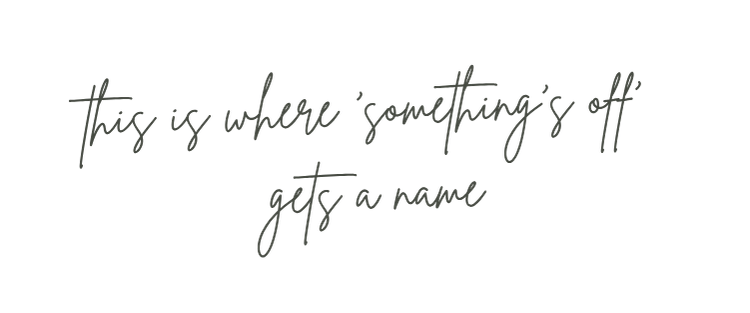
You can lose the cutomer before anyone says a word.
On the surface, everything looks reasonably respectable. The branding is polished, the website is live, the socials are ticking over and the reviews are decent. Nothing appears to be on fire.
But underneath, something isn’t quite adding up. A clunky mobile experience. A booking route that makes hard work of something simple. A contact form with all the charm of a tax return. Small things, perhaps. Until they start testing the patience of somebody considering spending serious money with you.
And they won’t complain. They won’t tell you what put them off. They’ll fill in the blanks themselves and disappear. And nobody fills in the blanks with the generosity of your best friend after two glasses of Prosecco.
Sounds familiar? You know how good the business is. Your customer doesn’t. They only know what you show them.
"I feel like I’m ticking every box. So why does it still feel like nobody’s noticing?"
Because ticking boxes and getting noticed aren’t the same thing. Google doesn’t give a monkey’s uncle how much effort you’re putting in if the business still looks vague, half-finished or less convincing than Barbara’s. Posting more, tweaking more and generally running yourself ragged won’t fix the bit that’s actually putting people off.
"My website’s live, but I seriously don’t think it’s doing anything."
A website that just exists is like owning a pair of Louboutins two sizes too small. Lovely to look at. Bloody useless. A customer lands, has a nosy around and, if they still can’t work out why you’re worth the money, they’re gone. Your website isn’t a digital pin-up. It should work the room like a reality star’s PR agent, making the next step feel obvious.
"How on earth am I supposed to compete with the massive brand down the road?"
By not trying to look like them. Let’s be honest, we all know bigger doesn’t mean better. You don’t need a team of twenty, a fancy postcode or a loo fit for a Kardashian. You need to make it painfully obvious why the right customer should choose you. Do that, and their size starts to matter a lot less.
"People are looking, so why aren’t they choosing me?"
Because being found and being chosen are two completely different things. By the time someone is seriously considering you, they’ve checked the website, read the reviews, had a nosy through your socials and probably found your second cousin once removed. If they’ve done all that and still aren’t choosing you, something hasn’t added up. It doesn’t take Sherlock to work out that visibility isn’t always the problem. Confidence is.
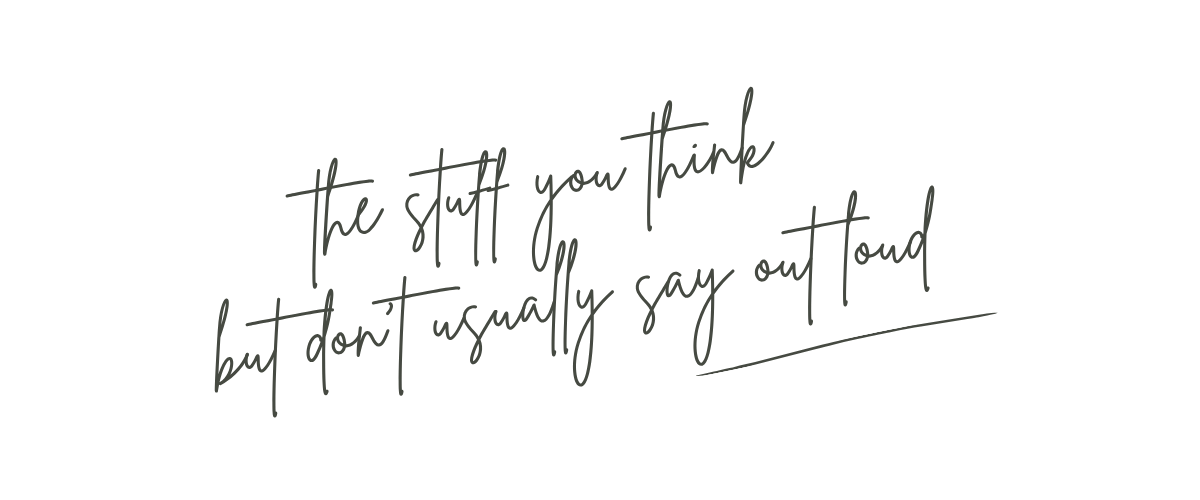
A good business can still
be hard to choose.
Especially when the best bits are buried, the message isn’t quite landing or the customer has to work harder than they should.
If you can feel something isn’t adding up but can’t see why, that’s where the Digital Diagnostic comes in.
It started in a quiet market town, far from the big cities. A newly opened advanced skin business had one treatment room, no website and no content. A completely blank slate.
The obvious advice would have been to throw money at ads, obsess over the social grid and chase the algorithm. Straight onto the digital treadmill before she'd even had time to pull on her trusty Alo leggings.
We didn't. We looked at where local clients were already heading when they were ready to act, and made that one place work properly.
The result? 162 actions from her Google Business Profile in the first 90 days.
From invisible to
actually being found.
ACTIONS FROM GOOGLE BUSINESS PROFILE
FIRST 90 DAYS FROM OPENING • 2026
No website. No content. No ads.
Profile actions
in 90 days
No website. No content. No ads.
We didn't go out screaming from the rooftops or spending her life online. Her Google presence was the bit that needed attention, so that's where we started. If she fancied a night on the sofa binge-watching Netflix, she could. Google quietly got on with the job in hand, helping people find her while she got on with her life.
This is one example. For this business, Google was the right place to start. It put her right in front of local customers who were already looking for exactly what she offered.
Yours might need the website, the offer, the message, the booking route or something else sorting first. The job is to work out what actually matters, sort that first and leave the rest alone until it actually needs touching.
Zero Active Socials • No Website • No Content Calendars • No Paid Ads
Some things just don’t need fixing.
If the business looks tired, generic or copy-and-paste from the outside, you’re always going to be on the back foot, running yourself ragged trying to catch up.
I don’t do Gaffer tape and Elastoplast fixes. There’s no point patching over the obvious bit if the thing underneath is still wonky.
"The reality is, most business owners are running on caffeine and fumes, trying to keep pace with the hamster wheel of life in some bloke’s wellies and a kid’s snorkel. You’re looking after customers, answering messages, stopping the dog from turning your new Mulberry into a chew toy, and still not entirely sure whether you switched the slow cooker on."
Yet somehow, you’re still expected to spend hours fussing over social grids, chasing followers and wondering why the likes aren’t turning into paying customers. What is the ruddy point of a beautiful grid if it isn’t bringing in enquiries, sales and actual money?
I don’t sugarcoat things, and I’m definitely not handing you another generic checklist to puzzle through on your lonesome. I look at what is actually happening in the business, work out what isn’t pulling its weight and decide what deserves your attention.
You should come out of it knowing what needs doing, what can wait and what can be left perfectly well alone.
Stop chasing attention.
Give them a reason to choose you.
Start where you actually need help.
The Digital Diagnostic
Know something’s off but can’t quite put your finger on it? Start here.
The Digital Diagnostic is for the business owner who knows something isn’t adding up, but can’t tell whether the problem is Google, the website, the message, the booking route, the positioning, or all of it having a small nervous breakdown at once.
I look at the business exactly as a customer would. I follow the route they take, notice where confidence starts to wobble and work out what actually deserves your attention first.
You get a clear written assessment and a 45-minute one-to-one Review Call.
I do the digging. You get the plain-speaking version of what I found, what it means for the business and where I’d start. No song and dance. I just say it as it is.
Already know what needs doing? Tell me. If I can see the job clearly enough to quote it properly, we can skip the Diagnostic and get on with it. If the problem needs a bit of unpicking first, that’s what the Diagnostic is for.
The Edit
Know what needs doing? Let's just get on with it.
Sometimes the Diagnostic shows us exactly what needs putting right. Sometimes you already know you need help and would rather skip the detective work and get on with it.
The Edit is for whatever needs sorting. Sometimes that’s one obvious job. Sometimes we start pulling at one loose thread and find a few other things tangled up with it. That’s fine.
It could be the positioning, an offer, a campaign, the customer route, the website or the next few months of marketing. It could also be something we haven’t put a neat label on yet.
I start with what the business needs. If that turns out to be the website, Google or socials, fine. But we’re not fiddling with a channel just because somebody somewhere says we should.
If there’s a useful commercial opportunity coming up, we use it. A launch, an event, a seasonal moment or some gloriously obscure national day that happens to fit the business perfectly. If it has bugger all to do with your brand, we leave it alone rather than shoehorning it into a content calendar because apparently everybody must participate.
Before anything starts, we agree what needs doing, what can stay perfectly well alone and what the finished job needs to achieve. Then I quote for the work we’ve actually agreed, rather than padding it out with a mysterious pile of deliverables you never asked for.
You want to stay involved. Fine by me. You take on the parts that make sense for you. I handle the thinking, direction and the bits you’d rather not touch, while making sure everything still looks and sounds like the same business.
If doing it yourself sounds about as appealing as folding a fitted sheet in a wind tunnel, hand it over. I take the lead, sort the priorities and keep the job moving. If something needs specialist coding, development or technical work outside my remit, I bring in someone who actually knows what they're doing. I have many talents. Coding without causing an incident or turning the air blue isn't one of them.
Once the agreed project is finished, we stop. No retainer required.
If by that point you’d rather keep my brain in the business, that’s where 03 comes in.
The Brand Partnership
Keep my brain in the business.
This is for the business owner who wants someone properly in it with them. I get to know the business, how you work, what you’re selling, what’s coming up, what customers are asking for and what keeps getting shoved onto next month’s list.
Because I’m close to it, I notice when something’s starting to drift, when there’s an opportunity worth grabbing and when something needs sorting before it becomes a much bigger pain in the arse.
Some months we’ll be planning ahead. Some months there’ll be one thing that suddenly matters more than everything else. A campaign. An offer. A launch. A website change. A shoot. A customer problem. An opportunity nobody had on the radar last week.
Social media can be a big part of that. I’m qualified in social media management and it’s one of the parts of the work I genuinely enjoy: planning the content, building the calendar, coming up with campaigns and ideas, working out what needs saying and helping shape the shoots and material we need to make it happen.
The partnership isn’t based on a fixed number of posts being churned out every week. The thinking and direction come first. We work out what needs creating, what will actually help the business and the best way to get it done.
We follow what the business actually needs that month. I’m not working from some pre-written retainer checklist.
And don’t be surprised if sometimes I’m telling you not to do anything at all. Not every trend needs chasing. Not every awareness day deserves a Canva post. Your business will survive perfectly well without joining in with National Something-or-Other Day just because everybody else has.
You keep running the business. I stay close enough to notice what’s coming up, what’s drifting, what Barbara has decided to do this week and where there’s something we'd be daft not to act on. The point is that you don’t have to keep one eye on this side of the business all the bloody time.
I know the business well enough that you don’t have to keep wondering what you’ve missed.
Frequently Asked Questions.
What is this actually costing my business?
Usually, you’ll never know. That’s the problem.
The customer who loses confidence doesn’t send you a helpful little note explaining what put them off. They simply disappear.
It might be something obvious, or it might be a collection of small things that never quite add up. The message. The reviews. The presentation. The booking route. The way the whole business feels compared with the alternative they’ve got open in another tab.
You see a quiet inbox. They see a reason to choose Barbara.
What actually makes the Digital Diagnostic different?
Software can tell you whether a link works. It can’t tell you whether the whole business feels convincing.
I look at what a customer is actually seeing and piecing together about you. Your positioning, message, website, reviews, Google presence, socials, route to enquiry, competition and all the little inconsistencies that can make somebody hesitate without quite knowing why.
It’s a manual review, done by an actual human being with opinions. No automated report spat out in thirty seconds and dressed up as insight.
Do I have to start with the Digital Diagnostic?
No.
If you already know what you need help with, tell me what’s going on. If the work is clear enough for me to quote properly, we can start there.
If the real problem is still hiding under six layers of “I know something isn’t right but I haven’t got a Scooby-Doo what”, then the Diagnostic is the sensible first move. It stops both of us guessing and gives us something useful to work from.
How much of my time is this going to take?
Very little. You’re already running the business, answering messages, looking after customers and trying to remember whether you ever actually drank the cup of tea you made an hour ago.
At the beginning, I’ll ask you for the useful stuff I need to understand the business properly. After that, you get on with your day and I get on with the work.
Then we have a 45-minute one-to-one Review Call to chat about what I found, answer your questions and work out what needs attention first. No endless meetings. No pile of homework. No four-hour questionnaire asking you to describe your brand as a type of fruit.
What happens after the Diagnostic?
Whatever makes sense for you.
You can take the Diagnostic and sort things yourself. Hand it to your existing team. Use it to brief the people already working with you. There’s no obligation to keep working with me afterwards.
If you want me to deal with a defined piece of work, that’s where The Edit comes in. We agree what needs doing, I quote for it, we get it sorted and then we stop.
If you’d rather keep my brain inside the business month after month, that’s The Brand Partnership. I stay close, keep an eye on how the business looks, sounds, sells and shows up, spot what’s coming and make sure the things that are easy to miss don’t quietly drift. So you’re not lying awake at 2am wondering what on earth you’re supposed to be doing next.